Fender Mustang LTX: A New Chapter in Digital Modeling or the End of an Era?
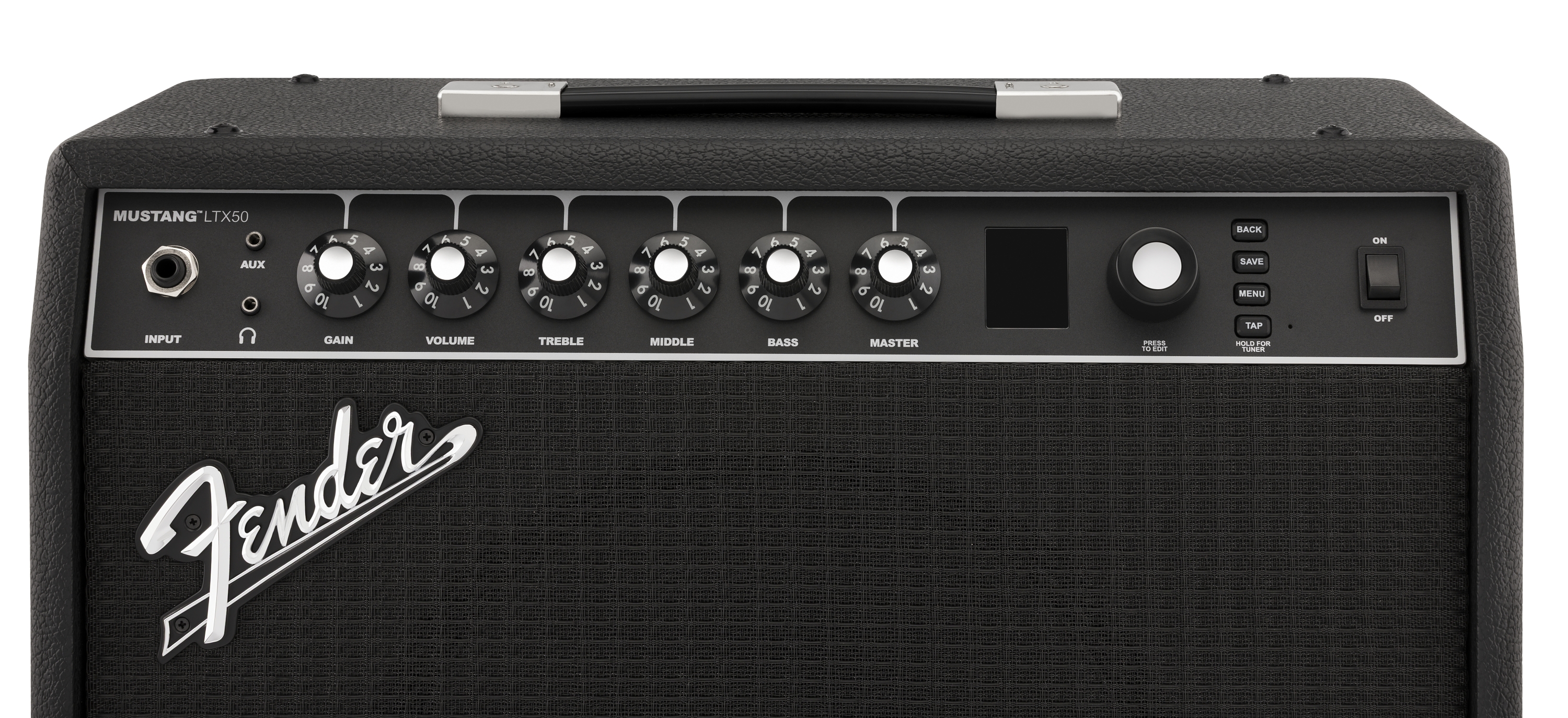
Fender’s mysterious new Mustang LTX50 and LTX100 amplifiers have been quietly listed on major retailer websites including Fender’s official site, Guitar Center, and Sweetwater. Originally slated for a September 2025 release, these modeling amps have now been pushed back to October 2025, leaving guitarists wondering what exactly Fender has in store for the beloved Mustang lineup.
The Delayed Launch: From September to October 2025
What started as a September 2025 launch date has shifted to October 2025, with current listings showing availability expected around mid-October. This delay has only added to my intrigue surrounding these new models. What final touches might Fender be adding?
Key Features: Borrowing from the GTX Playbook
As Fender’s website mentions, https://www.fender.com/products/mustang-ltx50 , the LTX models appear to be adopting several features previously exclusive to the GTX line. Most notably, these new amps are expected to feature Celestion Seventy 80 speakers – the same drivers that helped elevate the GTX series above its LT predecessors. The inclusion of these speakers suggests that Fender is attempting to position the LTX line as a significant step up in sound quality.
Additionally, early specifications indicate the LTX models will include direct output capabilities and effects loops – features that have made the GTX series standout for those seeking professional connectivity options. The introduction of a new footswitch model specifically designed for the LTX line further suggests these amps are being developed with live performance and advanced control in mind.
The Big Questions: Replacement or Complement?
Perhaps my most pressing question is whether the LTX line represents a replacement for the GTX series or if it will serve as a mid-tier option between the entry-level LT and premium GTX models. If the LTX line is indeed positioned as a GTX replacement, it could signal a major shift in Fender’s digital amplifier strategy. However, the continued availability of GTX models suggests we might be looking at a three-tier system: LT for beginners, LTX for intermediate players, and GTX for professionals and enthusiasts. If so, then what does it mean for the GTX line? Does this mean we should also expect an update to the GTX line in the near future.
The Sound Engine: Evolution or Revolution?
One of my most critical questions surrounding the LTX series concerns the digital amp modeling and algorithms powering these units. Will Fender be using the same sound engine from the GTX line, or from the LT? Were they even different? What if they introduce the same models from the Tone Master Pro? Perhaps, what if they have developed new and improved algorithms based on the recent new announcements by competing brands? At least these are all of the questions running through my mind!
The Mustang GTX series earned praise for its clean tones and authentic Fender amp recreations, which have consistently been highlights of the platform. The clean Twin Reverb models, Deluxe Reverb simulations, and other classic Fender voices won over many players who might otherwise dismiss digital modeling.
However, the GTX line’s distortion models seem to be the point of criticism in the influencers and guitar community that I’ve seen. While the clean and edge-of-breakup tones excel, the high-gain distortion models have had some criticism towards lacking the dynamic response of their tube counterparts. Metal and hard rock players, in particular.
Interestingly, I’ve also heard some players have observed that Fender’s simpler Champion II series, with its analog-style approach to distortion rather than pure digital modeling, actually produces more natural and responsive distortion tones than the more sophisticated GTX models. The Champion II’s hybrid approach – combining traditional analog-style circuits with DSP enhancement – may seem to deliver the organic feel and pedal responsiveness that some find lacking in the GTX’s fully digital distortion models. I was actually pleasantly surprised by the distortion tones in my personal experience with the Champion II 50 I tried. This observation raises questions about whether complexity always equals superiority in amp modeling.
If Fender has used the development time for the LTX series to make improvements to the distortion modeling, then it could be a significant leap forward for the entire Mustang ecosystem in the eyes of Hard Rock and Metal players. The new LTX gigging capabilities of the LTX have me secretly rooting for these little guys to become serious stage and studio tools to take over the market.
What This Means for Players
I think the introduction of the LTX line raises important questions for different types of players:
Current GTX owners might wonder if their investment will become obsolete or if the GTX will remain the flagship line with exclusive features and capabilities.
LT users considering an upgrade now have a potentially more attractive middle-ground option that offers professional features without the premium price of the GTX series.
Players new to the Mustang ecosystem like my self, face an increasingly complex decision matrix with three different tiers offering varying levels of features and capabilities.
Looking Ahead to October 2025
As we await the October 2025 release, I will be watching closely to see how Fender positions these new models. The success of the LTX line could determine the future direction of Fender’s digital amplifier strategy and influence how other manufacturers approach the increasingly competitive modeling amp market.
The real test will come when players get their hands on these amps and can evaluate what Fender has achieved with them. I’m 100% hoping that the distortion tones win me over and i’m able to confidently leave my tube amps at home.
Until then, we’ll continue monitoring retailer listings and official announcements for more details about specifications, pricing, and the technology behind them.
The October 2025 release can’t come soon enough for those of us eager to see if the LTX series represents evolution or revolution in Fender’s digital amplifier journey.